
Opinion
Electrical Performance Depends on More Than Proper Installation
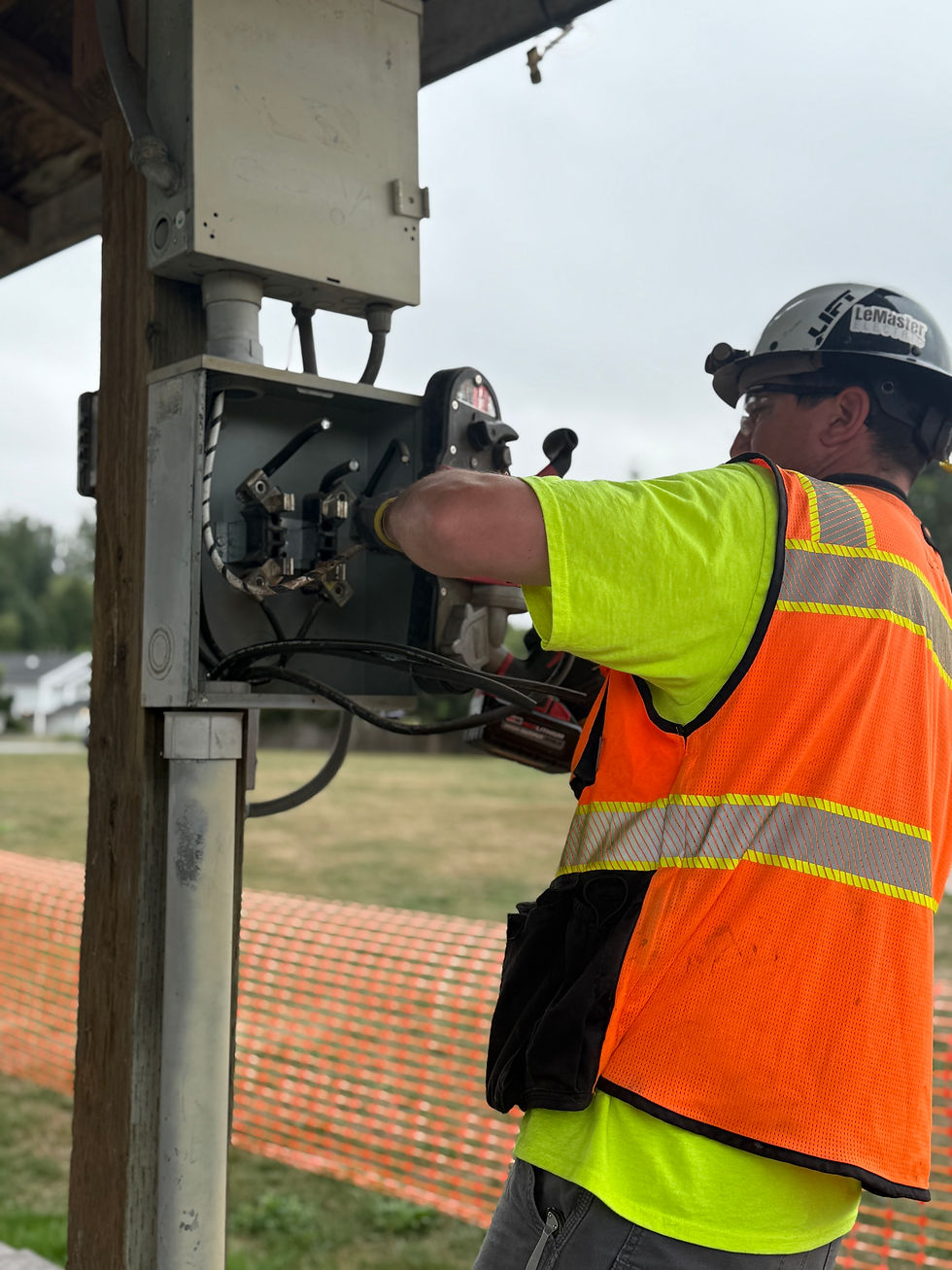
The Practical Reality
Electrical systems must be designed and installed with an understanding of how they respond to:
Normal operating loads
Abnormal conditions
Fault events
Long-term use
Electrical safety and reliability depend not only on proper installation, but on understanding the electrical theory that governs how current, voltage, resistance, and heat interact under these conditions.
Electrical Theory Informs Installation Decisions
Electrical theory explains why installation requirements exist. Concepts such as Ohm’s Law, power dissipation, impedance, and thermal limits directly influence conductor sizing, overcurrent protection, grounding, and equipment ratings.
Installation performed without this understanding relies primarily on mechanical execution rather than evaluation of electrical performance.
Load Calculations Are Foundational
Load calculations determine whether a system can safely support connected equipment. Electrical theory explains:
Why conductors heat under sustained current
How voltage drop impacts equipment operation
Why continuous loads require additional capacity
These factors directly affect reliability and safety over time.
Fault Current and Protective Device Performance
During a fault, electrical theory governs how much current is available and how quickly protective devices operate. Clearing time, available fault current, and coordination determine whether damage is limited or escalated.
These outcomes cannot be assessed by appearance alone.
Grounding and Bonding Are Theory-Based
Grounding and bonding requirements exist to ensure predictable fault clearing. Electrical theory explains how low-impedance paths allow sufficient current flow to operate overcurrent devices and limit touch voltage on metal components.
Improper grounding and bonding often remain hidden until a fault occurs.
Long-Term Electrical Effects
Electrical theory also explains long-term conditions:
Thermal cycling degrades insulation
Resistance increases at poor connections
Protective devices experience cumulative wear
These effects develop gradually and may not be evident during initial installation.
Installation Quality Extends Beyond Assembly
Electrical installations benefit from evaluation that considers theoretical principles alongside physical installation. Understanding electrical theory provides the basis for anticipating performance under stress, abnormal conditions, and long-term operation.
Consultation as a Preventative Measure
Electrical consultations provide an opportunity to review systems from a theoretical and technical standpoint. These reviews may include:
Load and capacity evaluation
Grounding and bonding assessment
Protective device selection and coordination review
Identification of conditions that may not be visually apparent
Consultations are often used to identify risks before they result in failure, downtime, or safety incidents.
Key Takeaway
Electrical installations benefit from professionals who understand electrical theory in addition to installation methods. This understanding supports safer operation, improved reliability, and informed decision-making throughout the life of the system.
Recent posts


Safety & Code Compliance
Does Your Home Still Have a Zinsco or Federal Pacific Panel? What Homeowners in Snohomish, King, and Skagit Counties Need to Know
Today, both panel types are considered high-risk electrical equipment due to documented design defects that can prevent breakers from shutting off power during an overload. Because of these risks, electricians, inspectors, insurers, and real estate professionals across Washington State frequently recommend replacing Zinsco and Federal Pacific panels with modern electrical panels.
%20(1).webp)
Safety & Code Compliance
Aging Electrical Infrastructure: Risks Emerging in Mid-Life Commercial Buildings
Many commercial buildings constructed between the 1980s and early 2000s are now entering a mid-life phase for their electrical infrastructure. While these systems may still be operational, the conditions under which they were designed often no longer reflect current usage.

Safety & Code Compliance
Emerging Challenges in Temporary Power Safety on Construction Sites
Temporary power systems on construction sites are carrying more responsibility than ever before. What was once limited to basic lighting and hand tools now routinely supports heaters, lifts, temporary HVAC, testing equipment, and high-demand specialty trades.